
Service
Osteopathy and pregnancy
Supporting your body during pregnancy and after childbirth
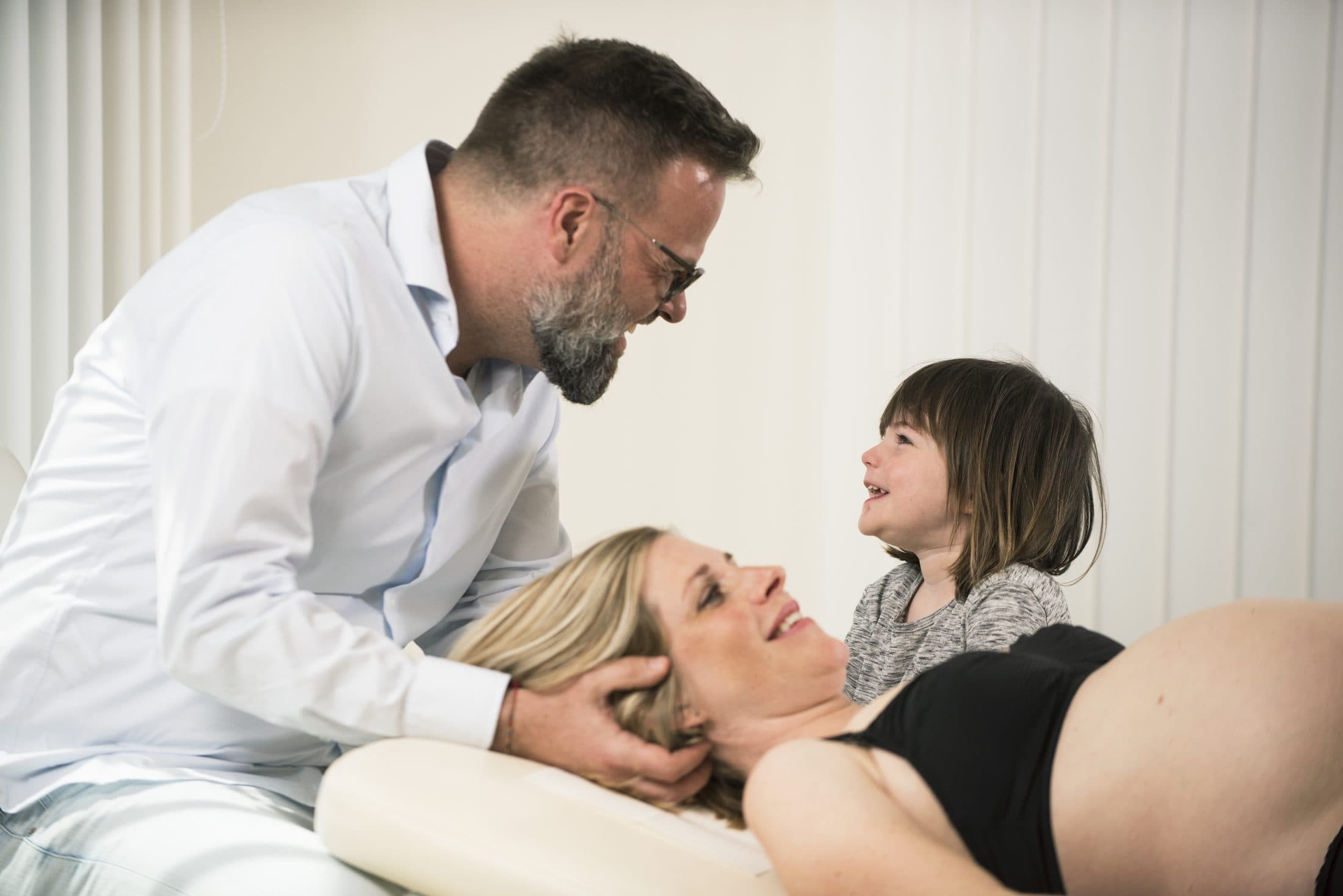
Pregnancy brings many changes to a mother-to-be's body. Over the months, hormonal, postural and mechanical adaptations can cause tension, pain or discomfort.
Osteopathy offers a manual approach adapted to this particular time, with the aim of relieving musculoskeletal pain, improving everyday comfort and supporting the body's changes during pregnancy.
I see you at the Centre médical d'Épalinges and at my practice in Morges for individualized care that takes into account the stage of your pregnancy, your symptoms and your needs.
When should you see an osteopath during pregnancy?
During pregnancy, changes in the pelvis, spine and posture can cause various discomforts. A consultation may be considered in particular for:
- Back pain: lower back pain, mid-back pain or tension in the neck area.
- Pelvic pain: pelvic, pubic or tailbone pain, discomfort when walking or changing position.
- Radiating pain: sciatica-type pain, after assessing its origin and any signs that call for medical advice.
- Muscle tension: stiffness or discomfort linked to postural changes.
- Difficulty finding a comfortable position: particularly for sleeping, resting or carrying out everyday movements.
Every situation is different. The consultation clarifies the nature of the symptoms, assesses mobility and determines whether osteopathic care is appropriate.
Nausea, acid reflux and sleep disorders can also occur during pregnancy. They may call for specific advice or a medical assessment, as osteopathy cannot guarantee relief.
Care adapted to each trimester
The body changes throughout pregnancy. Care must therefore take into account the stage, anatomical changes and any medical particularities.
The examination and manual techniques are adapted to each situation, prioritizing the mother-to-be's comfort and gentle approaches.
A consultation can be useful at different points in pregnancy, particularly when pain appears, when physical demands increase or when certain daily activities become difficult.
If you have unusual symptoms, significant or persistent pain, bleeding or any concern about how your pregnancy is progressing, medical or obstetric advice should come first.
Osteopathy and birth preparation
As the due date approaches, some women feel more tension in the pelvis, lower back or hips.
Osteopathy can help improve comfort and support the mobility of musculoskeletal structures, within the limits of its indications.
However, this approach cannot guarantee an easier, faster or complication-free birth. It replaces neither obstetric follow-up nor the birth preparation classes offered notably by midwives.
The aim is to help you approach the final weeks of pregnancy in the best possible comfort, taking your personal situation into account.
After childbirth: supporting recovery
The postpartum period is a new phase of adaptation for the body. After childbirth, pain or tension may persist in the back, pelvis or tailbone.
Carrying the baby, breastfeeding, prolonged positions and lack of sleep can also place significant physical strain on the body.
An osteopathic consultation may be considered to support certain musculoskeletal pain and regain more comfort in daily activities.
Care is adapted to how the birth went, the time since delivery and your state of health.
In case of perineal pain, incontinence, pelvic floor difficulties or pain during intercourse, a medical assessment and, if necessary, care by a professional trained in perineal rehabilitation may be indicated. Osteopathy is not a substitute for these treatments.
An individualized approach that complements medical follow-up
Every pregnancy is unique. The consultation begins with a conversation about your pregnancy, your history, your symptoms and any medical recommendations you have received.
The examination assesses your mobility and identifies factors that may contribute to your discomfort. Manual techniques are chosen according to your situation and adapted to pregnancy or the postpartum period.
My aim is to support you with an attentive, gradual approach that respects your needs, in collaboration with other health professionals when necessary.
Osteopathy remains a complementary approach: it does not replace pregnancy check-ups, recommended examinations or the advice of your obstetrician-gynecologist or midwife.
Visit us in Épalinges or Morges
I see you by appointment at my two practices:
- Épalinges — Centre médical d'Épalinges, Vidymed Group
- Morges — Osteopathy practice, close to the train station
Whether you are early in your pregnancy, in the last months before birth or in the postpartum period, a consultation lets us take stock of your needs and discuss care options suited to your situation.
Book an appointment
Would you like to consult during your pregnancy or after your baby's birth? Book online directly, choosing the practice location that suits you.
If you have a question before the consultation, you can also contact me by phone.